Last month, our team joined hundreds of community lenders, advocates, and policymakers in Washington, D.C., for the Opportunity Finance Network (OFN) Conference — the nation’s largest gathering of Community Development Financial Institutions (CDFIs).
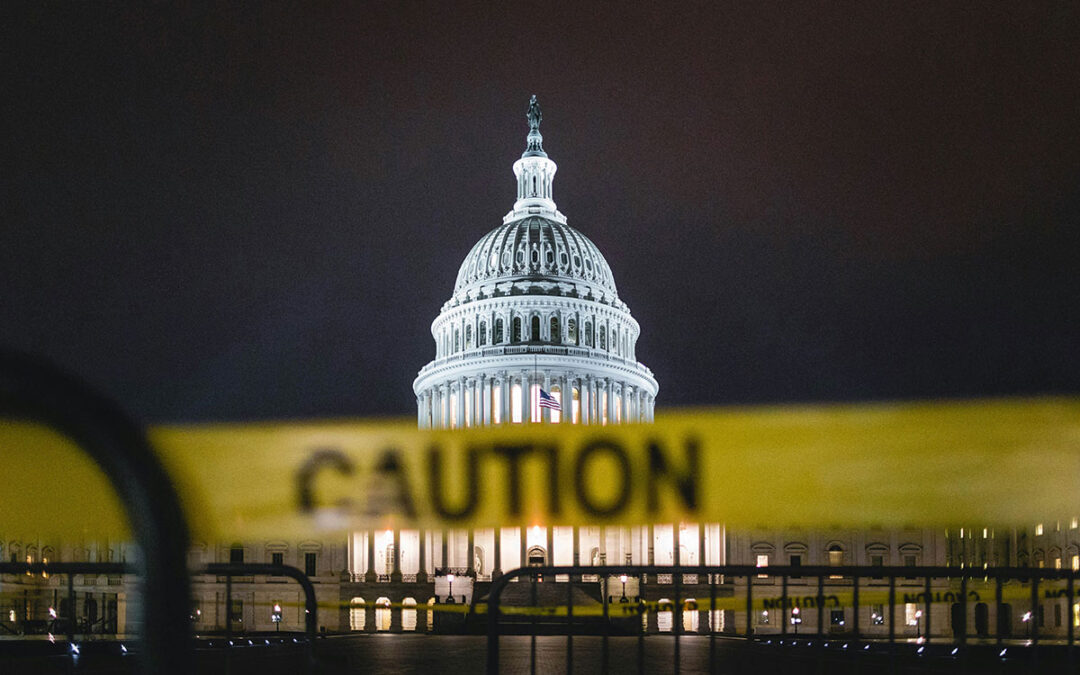
Each year, the OFN Conference celebrates the people and organizations driving inclusive economic growth in communities that traditional finance too often overlooks. This year, however, the conference took place amid a government shutdown and just a week after the administration announced plans to eliminate the CDFI Fund’s entire staff in Washington D.C. Rather than a celebration, it was a gathering marked by resolve and urgency, united in the fight to protect the critical work of CDFIs nationwide.
Protecting the Future of Community Finance
This year alone, from March through October 2025, CDFIs have faced unprecedented challenges — including two separate attempts to eliminate the CDFI Fund entirely, placing risk on the 1,376 certified CDFIs nationwide that serve low-income communities.
On March 14, the CDFI Fund was targeted for major cuts as part of the White House’s proposed “Reduction of the Federal Bureaucracy”. Then October 10th, amid the government shutdown, the administration announced plans to terminate the Fund’s entire 83-person staff, effectively dismantling the federal infrastructure that supports community lenders nationwide.
The Administration’s proposed budget cuts and reductions in funding endanger low-income communities and the financial health of our nation. For more than 30 years, CDFIs have provided grants, technical assistance, and loans to support small businesses, affordable housing, and community facilities, helping communities thrive.
Last year alone, CDFIs financed more than 109,000 businesses, supported 45,000 affordable homes, and originated $24.5 billion in loans and investments. Programs like the New Markets Tax Credit, administered by the CDFI Fund, have contributed over $81 billion in investments in manufacturing facilities, educational centers, and hospitals. Federal funding for CDFIs encourages additional private investment, expanding the impact of each public dollar 8 times. By combining public and private resources in this way, CDFIs strengthens local economies, create jobs, and support long-term community revitalization.
Bipartisan Champions, Shared Purpose
Even in this climate of uncertainty, support for CDFIs has remained strong and deeply bipartisan. Lawmakers from both parties — representing rural and urban districts alike — have spoken out to protect the CDFI Fund and reaffirm its essential role in strengthening local economies and the Nation’s long-term financial health.
Following both the March and October threats, Senators and Representatives across the aisle have joined in letters and statements defending the CDFI Fund’s mission and its proven record of impact. They recognize that community investment isn’t a partisan issue — it’s an American one.
Advocacy in Action
As the government shutdown approaches an end, our advocacy continues. Across the country, CDFI leaders and partners are engaging policymakers, sharing data and stories that demonstrate the Fund’s return on investment — not only in dollars, but in jobs, homes, and hope.
While it remains uncertain how the CDFI Fund will ultimately be affected, one thing is clear: America’s CDFIs are worth fighting for.
We will continue to raise our voices, alongside a broad coalition of bipartisan supporters, to ensure that mission-driven finance remains a cornerstone of America’s economic future.
Sources:
Crapo, M., Warner, M. R., & United States Senators. (2025, March 19). Letter to Secretary Scott Bessent reaffirming bipartisan support for the CDFI Fund [PDF]. U.S. Senate. E7A637887CA6E184473E58A4844DC3BC593B380A3470DEAEBB2EC1B7C441BB97.3.19.2025-letter-to-ust-omb-cdfi-fund.pdf
Waters, M., Foster, B., & Members of Congress. (2025, October 27). Letter to Secretary Scott Bessent and Director Russell Vought regarding termination of Treasury Department’s CDFI Fund staff [PDF]. U.S. House of Representatives, Committee on Financial Services.10.27.2025_ltr_bandv_cdfi_rifs.pdf